Patriot Brief
- Broken Arrow’s city council rejected a rezoning request tied to a proposed mosque after weeks of public input.
- City officials cited compliance with the comprehensive plan and infrastructure concerns, not religion.
- The decision drew criticism from activists while receiving support from local and state leaders.
The vote in Broken Arrow didn’t happen quietly, and it didn’t happen quickly.
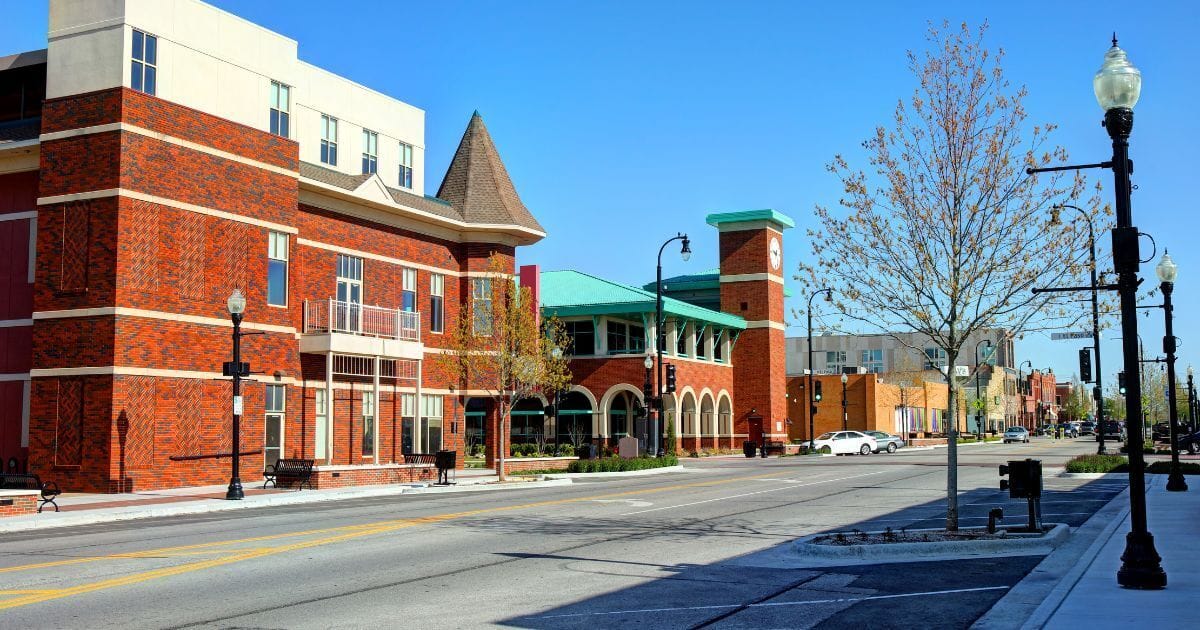
After weeks of packed meetings and intense public testimony, the Broken Arrow City Council voted 4–1 to deny a rezoning request that would have allowed construction of a mosque in the Oklahoma town. More than 400 residents signed up to speak during the process, an unusually large turnout that underscored how closely the community was watching the issue.
Supporters of the proposed mosque said the project was needed to address overcrowding at an existing facility serving the Tulsa-area Muslim population, which numbers roughly 10,000 people. The land in question was purchased in 2014 by the North American Islamic Trust, and proponents argued the rezoning was a reasonable accommodation for a growing community.
City officials, however, framed the decision around planning standards rather than religion. Council members pointed to Broken Arrow’s comprehensive plan, which designates the corridor for commercial and employment-focused development. Concerns raised during hearings included traffic capacity, stormwater management, floodplain issues, and long-term economic growth.
Tulsa County Commissioner Kelly Dunkerley said the council’s decision reflected a fact-based review rather than emotional reaction. Oklahoma State Sen. Christi Gillespie echoed that view, stating that the proposal did not meet the city’s planning requirements and raised unresolved infrastructure concerns.
Criticism came swiftly from Democratic Party officials and some activists, who argued that zoning laws have historically been used to block religious minorities. The Tulsa County Democratic Party characterized the denial as discriminatory, a claim city leaders rejected, emphasizing that zoning standards apply equally to all developments.
Others acknowledged that the debate extended beyond land use. Oklahoma State Sen. Dusty Deevers suggested the controversy reflected broader cultural unease, even while noting that equal protection under the law should apply to all religious groups.
What’s clear is that Broken Arrow’s decision landed at the intersection of zoning policy, community growth, and national conversations about religion and identity. Whether the vote is remembered primarily as a planning dispute or as part of a larger cultural debate will likely depend on what happens next — both legally and politically.
From Western Journal:
After immense pressure from citizens, a decisive majority of the Broken Arrow City Council voted against a rezoning request that would have allowed a mosque to be built in the Oklahoma town.
The 4-1 vote on Monday night came after several weeks of packed meetings and public debate, per a report from KOTV in Tulsa.
There were more than 400 residents signed up to testify on the issue, according to a report from The Christian Post.
There are currently 10,000 Muslims in the Tulsa area, and the plans for the mosque — which would have been built on land bought in 2014 by the North American Islamic Trust — were meant to deal with crowding at the first facility.
BREAKING: In a MASSIVE victory, the City of Broken Arrow in Oklahoma has REJECTED construction of a massive Islamic Center
Hundreds of patriot residents showed up and made their voices heard!
The final vote was 4-1 in DENIAL.
DEFEND THE WEST! 🇺🇸🇺🇸 pic.twitter.com/Apy2jCPeoM
— Eric Daugherty (@EricLDaugh) January 13, 2026
Islamic leaders and Democratic Party activists were upset by the decision against the rezoning, saying it was an example of religious bigotry.
“Zoning has long been used as a Trojan horse for discrimination, and what happened in Broken Arrow made that painfully clear,” the Tulsa County Democratic Party reacted, per KOTV.
Tulsa County Commissioner Kelly Dunkerley meanwhile said it was the correct move.
“In this case, this was the right decision,” Dunkerley remarked. “I get that there’s emotions attached to it. But you really have to stay focused on those facts, because that’s what’s best for the community.”
Oklahoma State Sen. Christi Gillespie, a Republican who represents Broken Arrow, also commended the final vote.
“Last night’s decision reflects what many residents have been saying for years: the city of Broken Arrow must follow its Comprehensive Plan and protect long-term economic growth in our community,” she said.
“This proposal did not comply with the Comprehensive Plan’s clear designation of this corridor for commercial and employment-focused development, nor did it adequately address serious concerns related to infrastructure, traffic capacity, stormwater and floodplain management.”
But other lawmakers noted the religious and civilizational dynamics at play.
Oklahoma State Sen. Dusty Deevers, a Republican who pastors a church in Elgin, wrote at the Center for Baptist Leadership that “what happened in Broken Arrow is also a window into something bigger” beyond zoning rules.
Photo Credit: Denis Tagney Jr. / Getty Images