
Patriot Brief
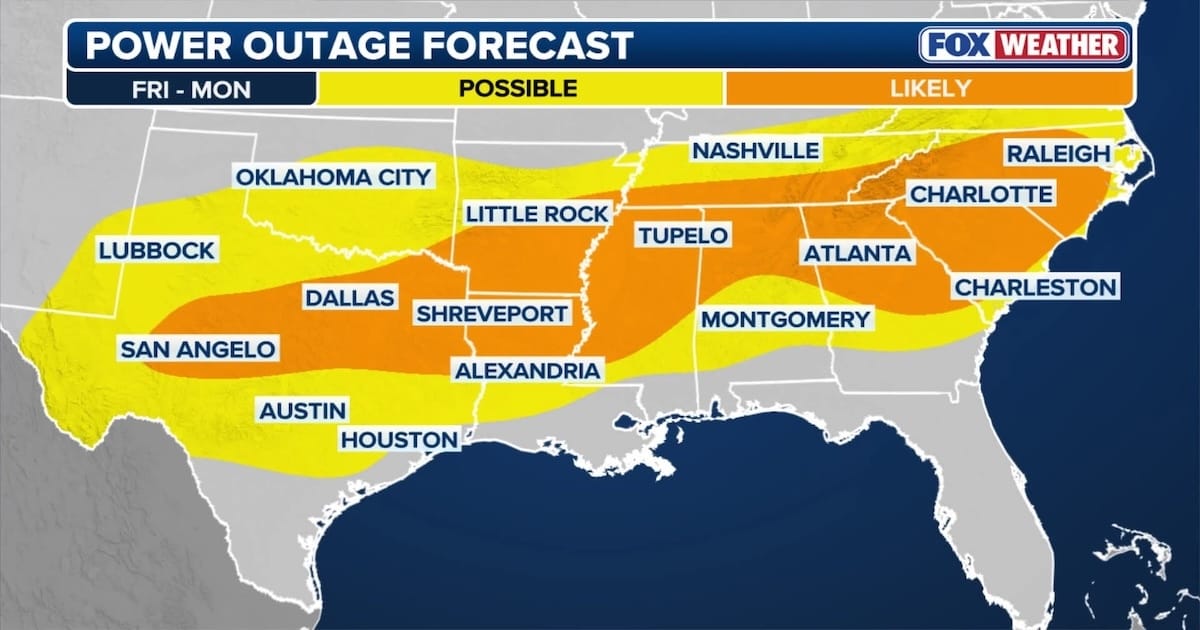
- What Happened: Forecast models have converged on a massive winter storm expected to impact roughly half the United States with extreme cold, heavy snow, and severe icing.
- Why It Matters: Experts warn the event could overwhelm infrastructure, shutting down power grids, refineries, and water systems for extended periods.
- Bottom Line: Communities may face prolonged outages and limited emergency response, making preparation critical.
A once in a lifetime winter storm is lining up to slam a huge portion of the country, and the warnings are no longer being brushed aside.
Energy expert Matt Randolph, a contributor to Forbes, says every major forecast model has now converged on a scenario that goes far beyond a typical snowstorm. This is an infrastructure event.
Randolph is blunt about what lies ahead. Below zero temperatures. Heavy snow. And a massive ice zone calling for up to three inches of ice in some areas.
“This is gonna be one of those storms you probably remember for much of your life,” he said.
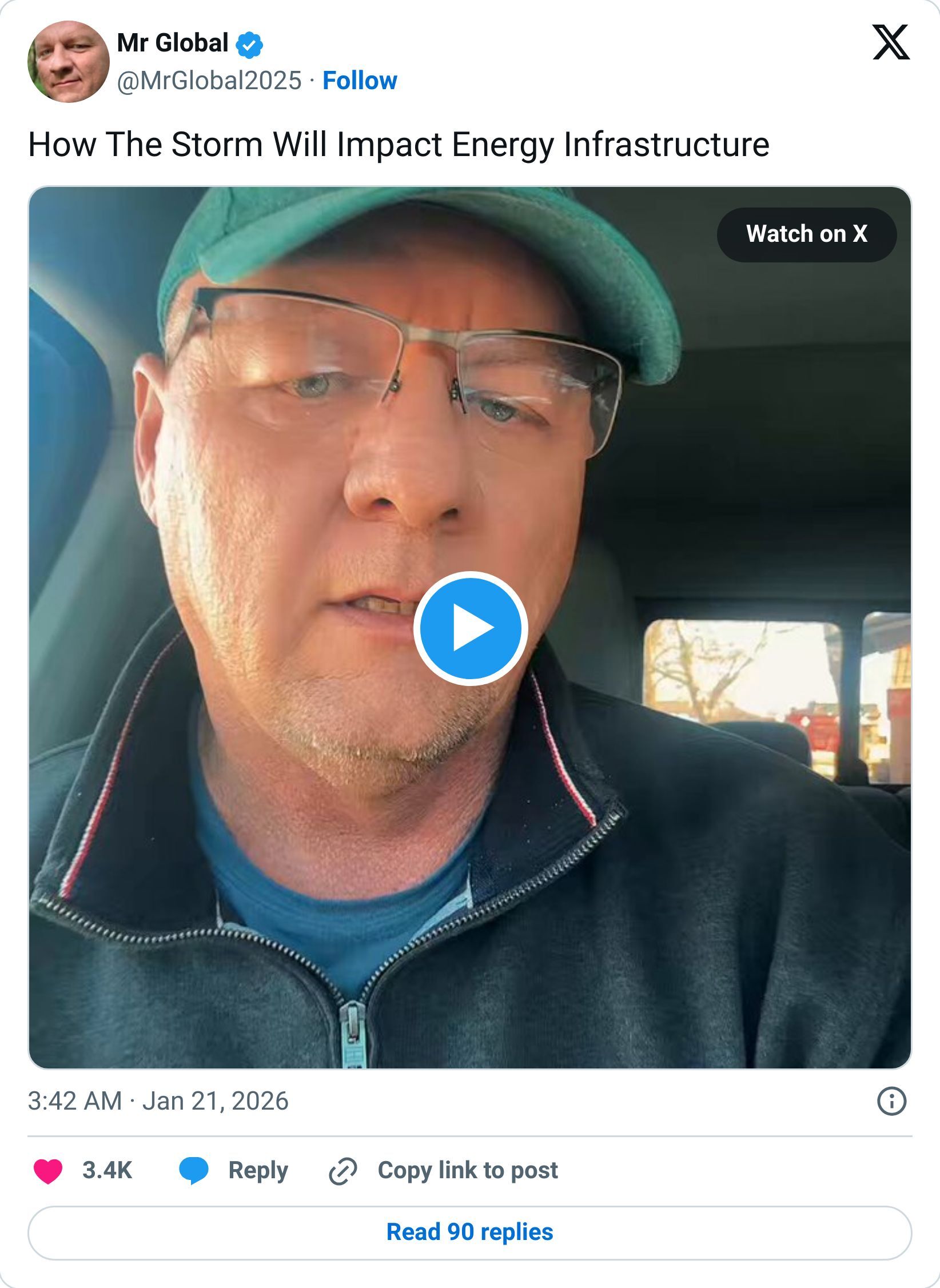
The consequences could be devastating. Randolph warns of grid failures, refinery shutdowns, and water systems going offline. He says the impacts will not be short lived.
“There’s gonna be loss of life,” Randolph warned. “The grid’s gonna fail. Refineries are gonna shut down. Water systems are gonna shut down.”
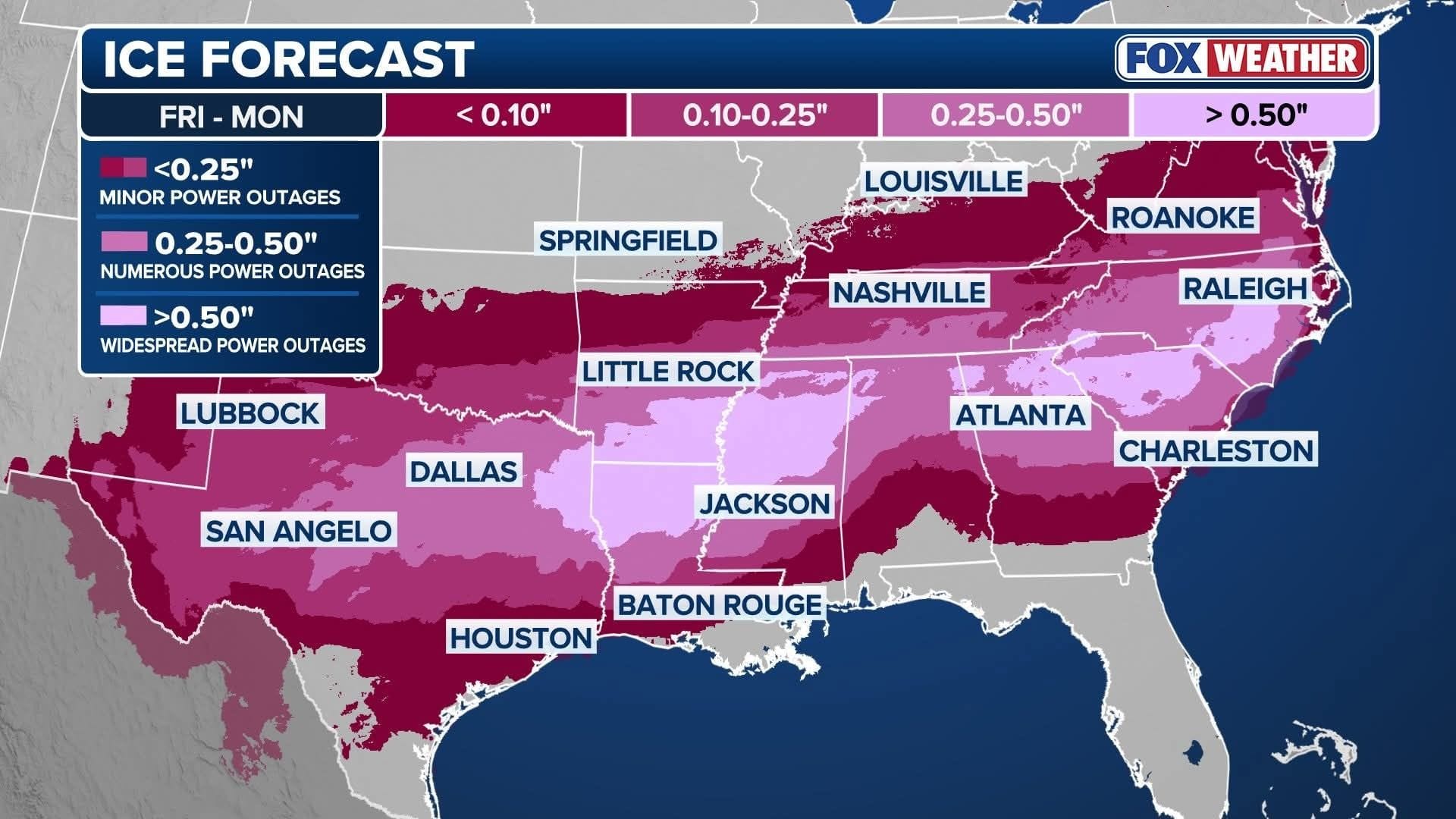
The part that should make every American stop scrolling is what comes next. Randolph says people in the affected areas should plan to be without power for at least a week and possibly up to a month.
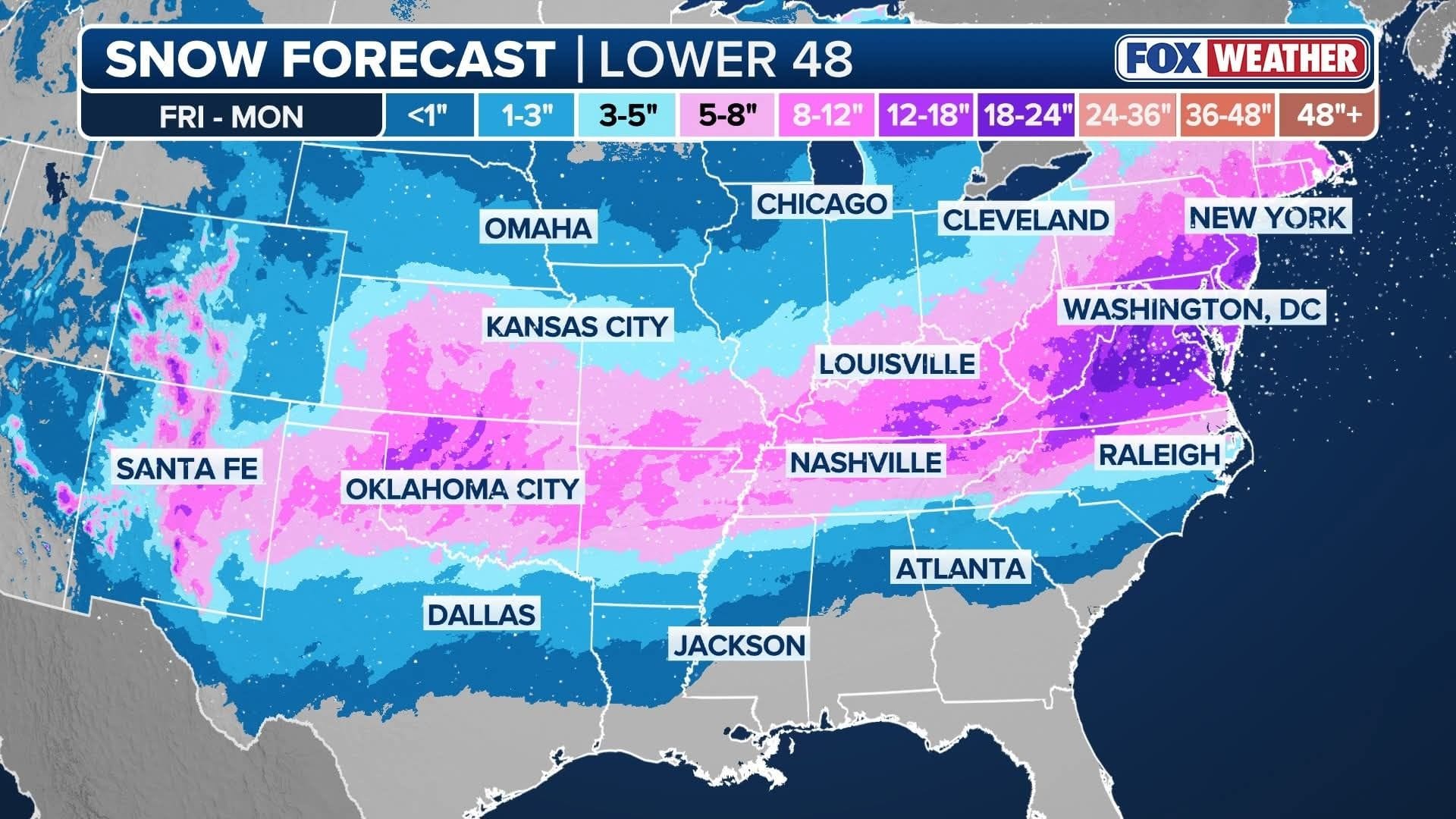
At that point, roads turn into sheets of ice. Emergency services cannot move. Ambulances cannot reach calls. Fire trucks cannot respond. Help may simply not come.
Randolph compared the looming event to the Texas winter storm of 2021 but said this one could be colder, wider in scope, and far harder to recover from.
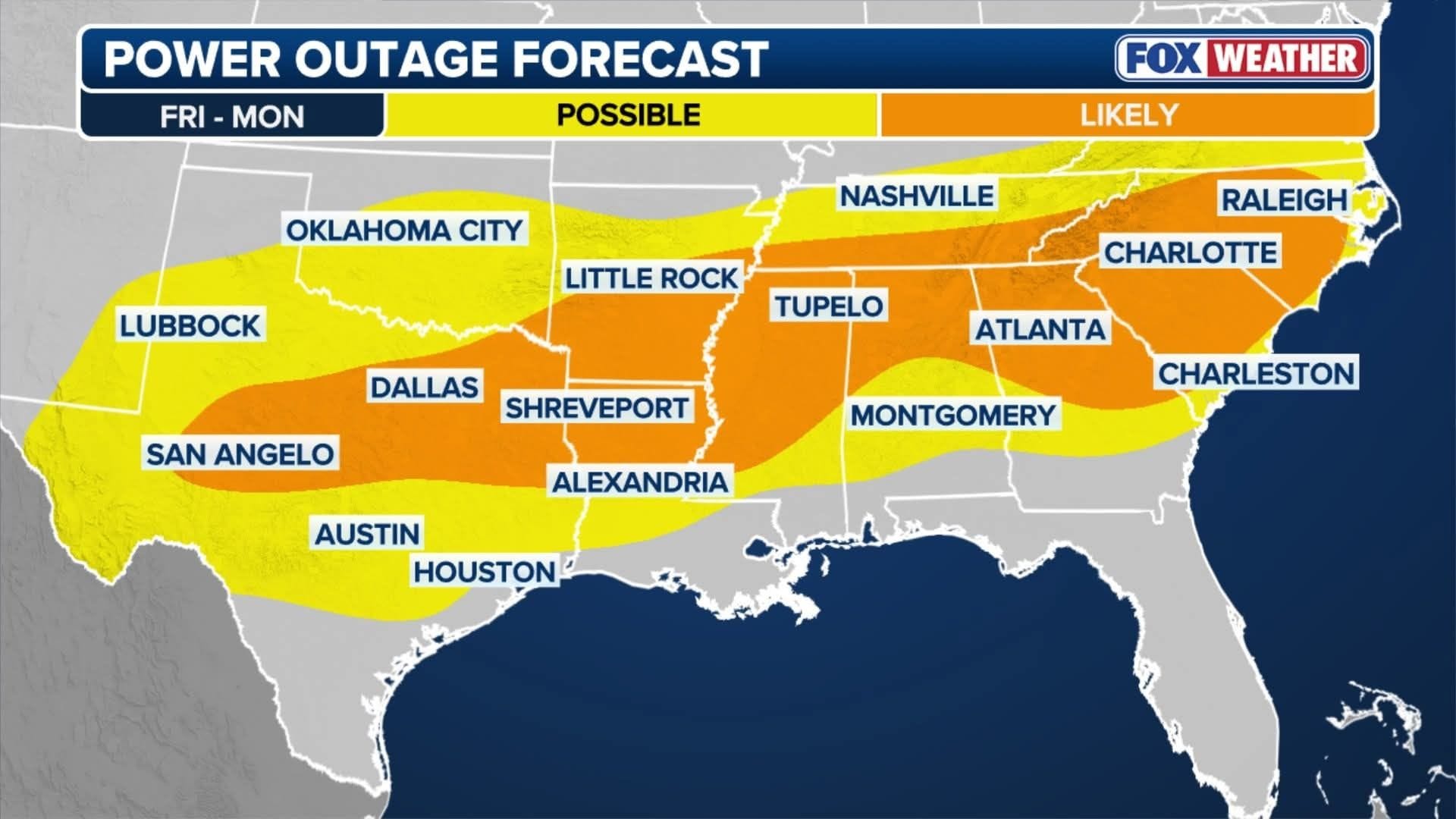
This is not fearmongering. It is a warning. When systems fail at scale, personal preparedness becomes the last line of defense. Families who take this seriously now will be the ones standing when the lights go out.
America has weathered storms before. The question is whether people are ready for what may be coming next.